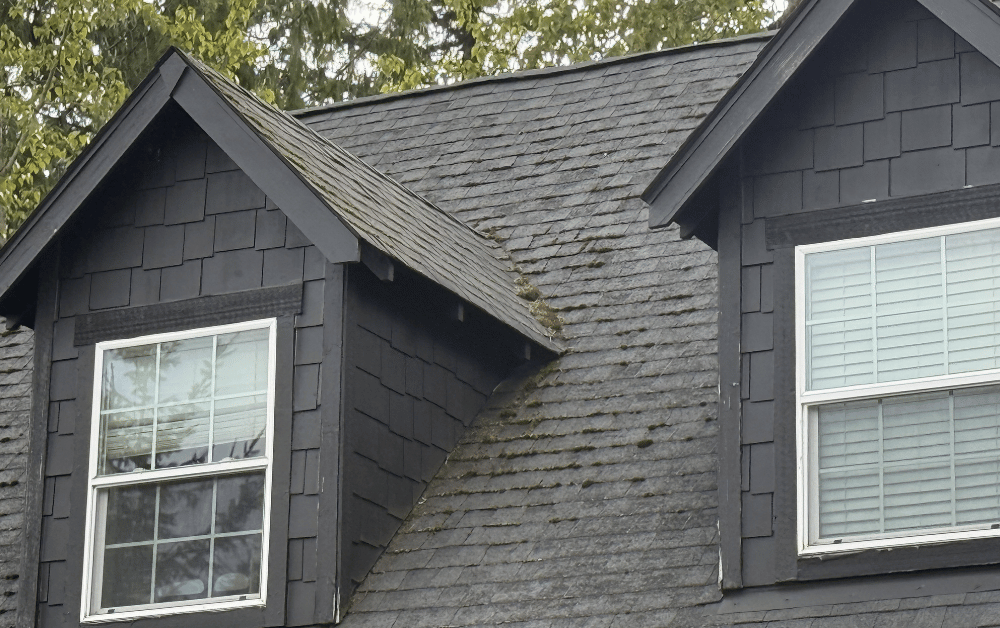
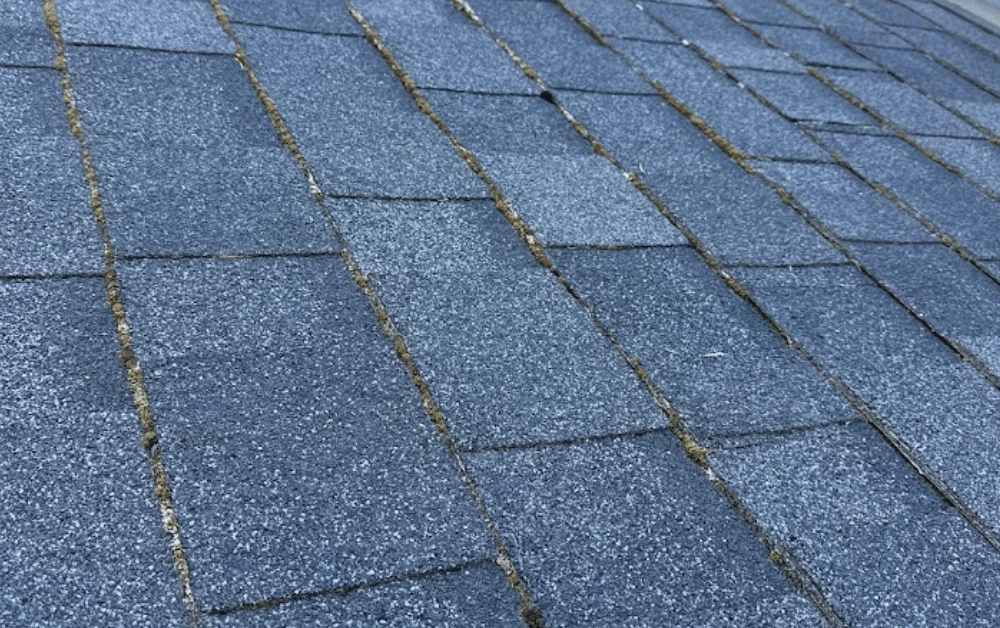
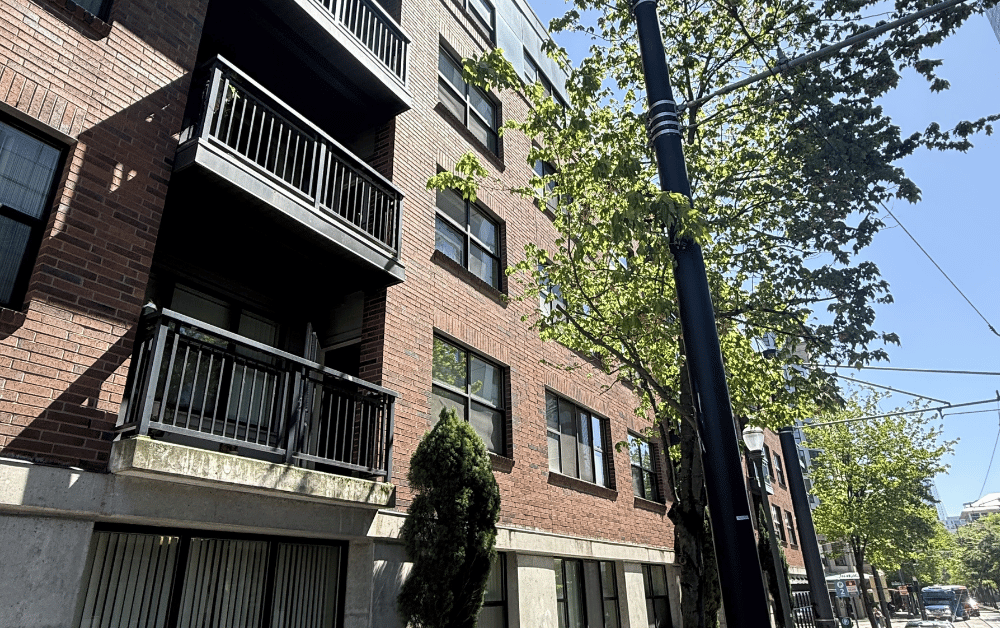
Living in the west Portland metro means your home's exterior is constantly negotiating with the weather. Long wet stretches feed moss on roofs, algae on north-facing siding, and slick films on shaded walkways. Then a few weeks of summer sun bake pollen, sap, and road grime onto driveways and patios. A property that looked spotless in July can look tired by March if nothing is done in between.
The point of a seasonal exterior maintenance routine isn't to scrub everything down at once. It's to catch the right problems on the right surfaces at the right time of year, using a method that fits the material. Done well, this protects roofing, siding, paint, concrete, and pavers, and it keeps your home looking the way you'd want it to look if a buyer or appraiser walked up tomorrow.
This is the checklist Worth It Exterior Cleaning uses when walking properties in Hillsboro, Tanasbourne, Orenco, Aloha, and the surrounding area throughout the year.
Why a Seasonal Approach Matters in the Pacific Northwest
Our climate creates a very specific pattern of buildup that homeowners in drier regions never deal with. Persistent moisture means living organisms (moss, lichen, algae, mildew) take hold on porous and shaded surfaces. Heavy tree canopy adds organic debris to roofs and gutters. Then summer adds pollen, dust, and grilling residue on top of all of it.
If you wait until something already looks bad before acting, you've usually lost ground:
- Moss on a composition roof eventually lifts shingle edges and traps water against the deck.
- Algae streaks on siding embed into paint and become harder to remove the longer they sit.
- Black stains on concrete are typically a mix of algae and oxidation that worsens with each wet season.
- Clogged gutters during an Oregon winter can back water under fascia boards and into wall cavities.
Catching these issues on a predictable schedule is dramatically cheaper than fixing what they cause.
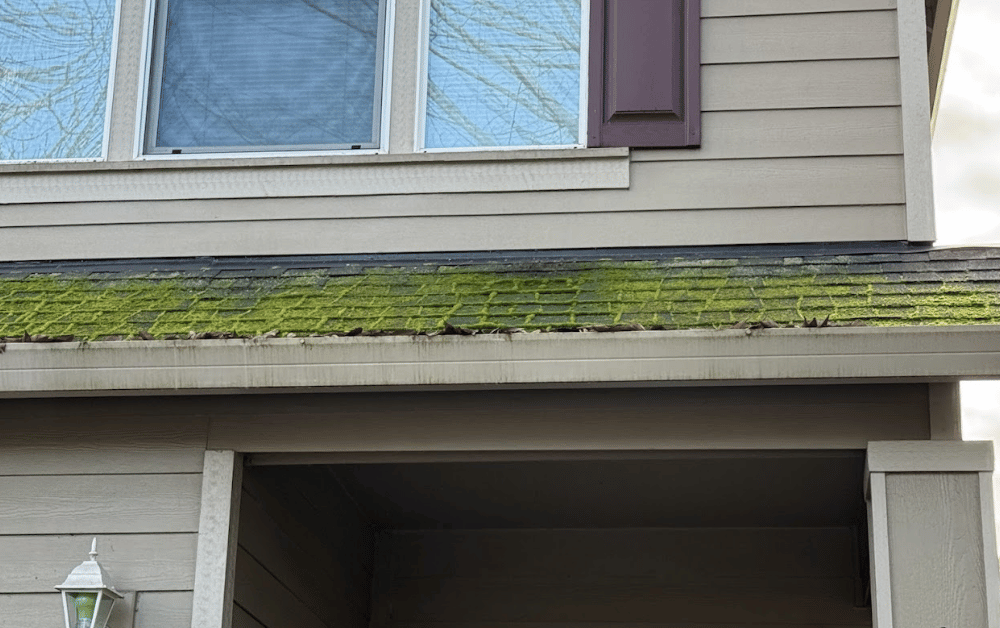
Spring Through Early Summer: Recovery from the Wet Season
When the rain finally lets up, this is the time to walk the property and assess winter's impact.
Start with the roof and gutters. Look up before you look around. Are there green or black streaks on the north side of the roof? Are gutters sagging, overflowing, or sprouting little plants of their own? Roof valleys collect needles and leaves that hold moisture against the shingles. A soft, low-pressure roof treatment, not aggressive blasting, removes moss and algae without damaging the granules. Manufacturer resources from Owens Corning and CertainTeed both make this point clearly: pressure washing a shingled roof is not appropriate.
Move down to driveways, walkways, and patios. Concrete and pavers usually show winter buildup first. Black tire marks, mossy joints between pavers, slick green film near downspouts, and overall dullness all respond well to controlled surface cleaning. Pavers often need their joint sand replaced after a thorough wash.
Finish with siding and entryways. Vinyl, fiber cement, and painted wood siding should be cleaned with a soft-wash approach rather than high pressure. The cleaning solution does the work; the rinse just carries away the residue. Front doors, columns, and porch ceilings often hide the most visible grime simply because guests look at them up close.
Mid-Summer Maintenance
Summer is the season for finishing touches and projects that need warm, dry conditions:
- Sealing concrete or pavers after they've been cleaned and fully dried
- Wood deck cleaning and re-staining
- Window cleaning while everything else is fresh
- Outdoor furniture, pergolas, and fence work
This is also when backyard entertaining peaks, so it's a practical time to address barbecue stains, food spills, and cushion grime before guests notice them.
Fall Prep Before the Rain Returns
This is the most overlooked season, and arguably the most important one in Oregon. The work you do in September and October determines how your home holds up through six months of damp weather.
Fall priorities look like this:
- Clear gutters and downspouts after the majority of leaves have fallen
- Confirm downspout extensions actually carry water away from the foundation
- Wash walkways and steps before they become slippery hazards
- Treat shaded areas of the roof so moss doesn't grow aggressively over winter
- Trim vegetation that touches siding or hangs over the roofline
Homeowners often ask whether gutter work and roof cleaning should happen during the same visit. In most cases, yes. Debris from the roof ends up in the gutters anyway, so handling both together is more efficient and gives a cleaner result.
A Winter Watch List
Winter isn't usually the season for major exterior projects, but a few things are still worth monitoring:
- Ice or pooling water near entryways
- Moss or algae appearing rapidly on shaded north-facing surfaces
- Gutter overflow during heavy storms (a sign of a clog or pitch problem)
- Slippery growth returning to walkways and steps
If any of these become safety issues, they shouldn't wait for spring.
Matching the Method to the Surface
A lot of exterior cleaning damage happens because someone used the wrong tool on the wrong material. A few principles worth knowing:
Soft washing combines low pressure with cleaning solutions designed to kill biological growth. This is the right approach for roofs, painted siding, stucco, screens, and most vertical surfaces.
Pressure washing uses higher water force and is best suited to hard, durable surfaces like concrete driveways, brick, certain stones, and unpainted hardscape.
Surface cleaners, the flat rotating attachments used on flatwork, produce even results on driveways and patios, avoiding the striped pattern a wand alone leaves behind.
Using high pressure on a roof, a deck, or aging siding usually causes more damage than the dirt it was meant to remove.
How Trees and Sun Exposure Change the Plan
A property surrounded by mature firs and maples has different needs than a newer build in an open lot. Shaded, tree-heavy homes typically need more frequent roof and gutter attention, earlier moss intervention, and more cleaning of north and east elevations. Sunnier, more exposed properties deal more often with pollen and dust on siding, UV fading, and driveway oil and tire staining.
A good local crew adjusts the schedule rather than applying one generic timeline.
When to Call a Professional Instead of Going DIY
Renting a pressure washer is tempting, but a few jobs really should be left to a trained team:
- Anything above ground level. Ladders and pressure equipment cause serious injuries every year.
- Roof cleaning, which requires safe footing, training, and the right chemistry
- Painted or older siding that streaks easily under uneven pressure
- Stained concrete, where the wrong cleaner can lock the discoloration in permanently
For these, the cost of professional service is almost always less than the cost of fixing a DIY mistake.
About Worth It Exterior Cleaning
Worth It Exterior Cleaning is a locally owned company based in Hillsboro, serving homeowners and small commercial property owners across western Washington County. The team focuses on choosing the right cleaning method for each surface rather than defaulting to maximum pressure, which is how driveways stay intact, shingles keep their granules, and paint stays put.
Service areas include Hillsboro, Tanasbourne, Orenco, Aloha, Beaverton, Forest Grove, Cornelius, and the surrounding west Portland metro communities.
Contact Information
Worth It Exterior Cleaning
9620 Northeast Tanasbourne Drive Ste 300, Hillsboro, OR 97124
Phone: 503-941-0862
Email: info@worthitexterior.com
Request your free quote or give us a call directly.
Frequently Asked Questions
How often should a home in the Hillsboro area have its exterior cleaned? Most homes benefit from a full exterior service once per year, with a mid-cycle check on gutters, walkways, and shaded surfaces. Properties under heavy tree cover often need attention twice a year.
Will cleaning damage my roof shingles? Not when it's done with soft washing techniques. Low pressure paired with an appropriate cleaning solution removes moss, algae, and lichen without disturbing the granules that protect asphalt shingles. High-pressure blasting on a roof is a different story and is not recommended by any major shingle manufacturer.
Is winter too late for exterior work? Not necessarily. Roof and gutter work can usually be done year-round when conditions allow. Concrete and siding work is easier to schedule during drier stretches, but urgent cleaning, such as slippery walkways, clogged gutters, or ice-related drainage problems, shouldn't wait for spring.
Does a clean exterior actually affect property value? It strongly affects first-impression value. Appraisers, buyers, and neighbors all read a home's condition partly through its exterior, and regular cleaning also slows the deterioration of materials like paint, sealants, and roofing, which protects long-term value too.
What's the practical difference between soft washing and pressure washing? Soft washing relies on cleaning solutions and low water pressure and is used on roofs, painted siding, and delicate surfaces. Pressure washing uses higher water force and is reserved for durable hardscape like concrete and brick. A reputable cleaner matches the method to the material rather than using one approach for everything.
Can plants and landscaping be damaged during a cleaning visit? With careful planning, no. Professional crews pre-wet surrounding plants, use plant-safe solutions where possible, and rinse foliage afterward. Homeowners attempting this themselves should know that some store-bought cleaners can burn ornamentals on contact.
How long do roof cleaning results typically last? A proper soft-wash treatment usually keeps a roof clear for one to three years before noticeable regrowth. Properties under constant shade or with overhanging trees fall on the shorter end of that range. Trimming back vegetation extends results significantly.
What's a reasonable order for tackling a full-property cleaning? Top down. Roof first, then gutters, then siding and trim, then hard surfaces like driveways, walkways, and patios. Cleaning the driveway before the roof generally means cleaning the driveway twice.