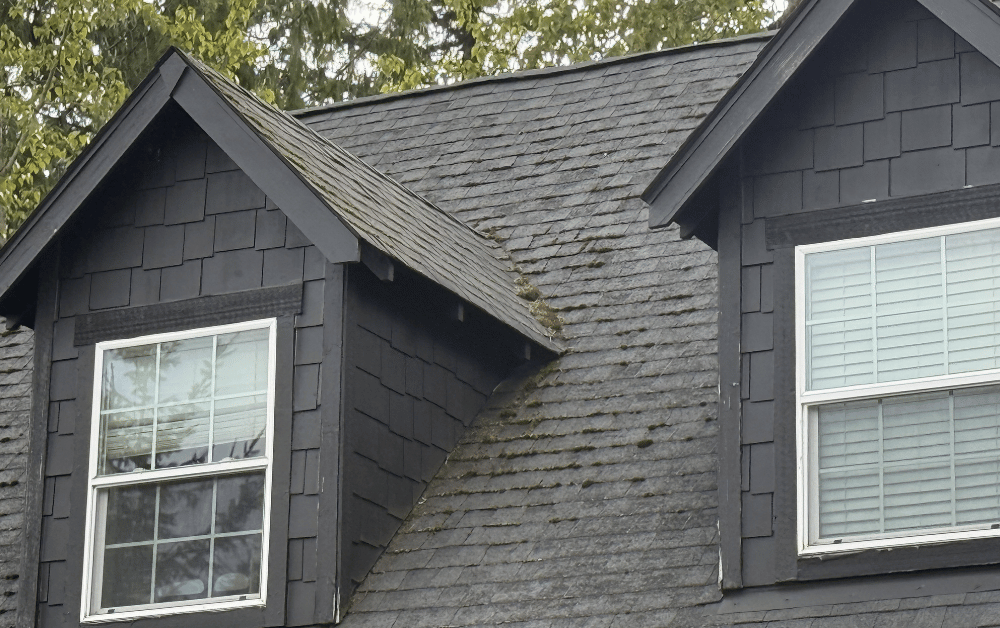
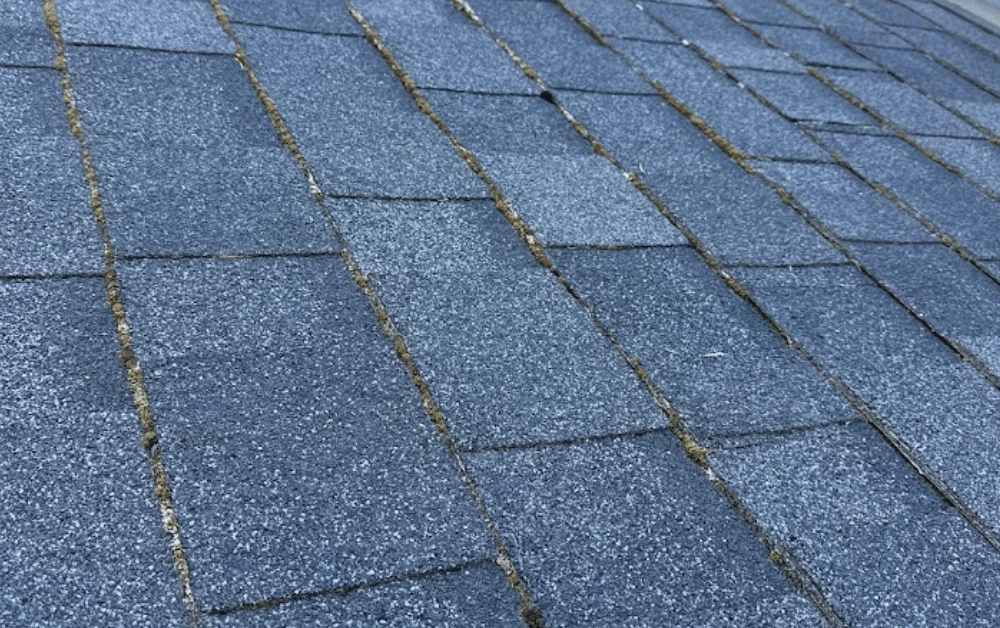
If you are searching for roof moss Hillsboro and trying to make the right decision for a Hillsboro property, the short answer is this: If you ignore roof moss in Hillsboro, it can spread across shaded roof sections, trap debris, hold moisture, and make future cleaning more difficult.
Worth It Exterior Cleaning works from Hillsboro, Oregon and serves homeowners and businesses dealing with the exterior cleaning problems that come with the west Portland metro climate. Rain, shade, trees, pollen, moss, algae, and everyday traffic can leave a property looking older than it is. The goal is not to blast every surface. The goal is to choose the cleaning method that fits the material, the buildup, and the long-term care of the property.
Why Hillsboro Roofs Are Especially Vulnerable
Three factors make our area a near-perfect environment for moss growth:
- Rainfall. According to climate data from the National Weather Service, the Portland metro averages more than 40 inches of rain a year, with most of it falling between October and May. That gives moss spores months of consistent moisture to germinate and spread.
- Tree cover. Mature Douglas firs, maples, and cedars line many Hillsboro neighborhoods. They drop needles and leaves that hold moisture on the roof surface and reduce sunlight exposure.
- Shade and orientation. North-facing slopes and any roof section shaded by a tree, dormer, or neighboring building dries slowly between rains, which is exactly the condition moss needs.
A sunny, exposed roof in eastern Oregon might never develop a moss problem. A typical home in Aloha surrounded by mature trees will almost certainly need attention at some point.
What Untreated Moss Actually Does
Moss does not destroy a roof overnight. The damage is gradual, and that is part of what makes it easy to dismiss. A few of the things that happen behind the scenes:
It lifts shingle edges. As moss grows thicker, it pushes up under the edges of asphalt shingles. Once shingles are lifted, wind can get under them more easily and rain has a clearer path to the underlayment.
It holds moisture against the roof deck. A dry roof sheds water. A roof with thick moss growth stays damp for days after a rain, and that constant moisture accelerates the breakdown of shingles, flashing, and any exposed wood.
It traps organic debris. Needles, leaves, and seeds settle into mossy areas and stay there. That debris adds weight, holds even more moisture, and creates a feedback loop where the roof gets worse faster.
It clogs valleys and gutters. Moss that breaks loose during storms travels into roof valleys and gutters, where it blocks drainage. Backed-up water can then run behind fascia or into wall cavities. For a closer look at how gutter performance ties into roof condition, see our guide on annual gutter cleaning to stop basement leaks.
It can shorten shingle lifespan. Asphalt shingles rely on their granular coating for UV protection. Heavy moss growth, and especially aggressive removal of heavy moss, can dislodge those granules and reduce how long the roof lasts. Oregon State University Extension's research on moss management reinforces the importance of gentle treatment over aggressive removal.
None of these are immediate emergencies. All of them are cumulative.
Why Early Intervention Costs Less
There is a clear difference between treating a roof with light, early moss growth and treating one that has been ignored for several seasons.
Early moss responds quickly to a properly applied soft-wash treatment. The solution does most of the work, and the remaining moss dries out and falls away over the following weeks. The roof is left intact, and follow-up maintenance is light. Our ultimate soft wash guide for roof cleaning in Hillsboro walks through how this process actually works and what to expect from it.
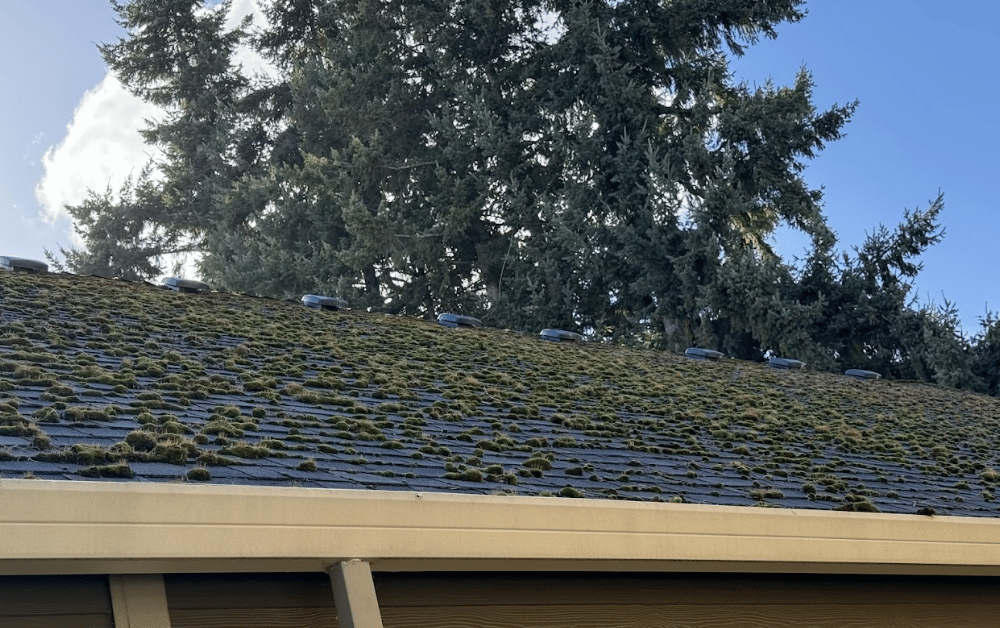
Heavy, established moss is a different conversation. The growth is thicker, more embedded, and often hides debris and shingle wear underneath. Removal requires more time, more careful technique, and sometimes a manual step before treatment. There is also a higher risk of finding damage that was hidden by the moss itself.
The general rule: the longer you wait, the more involved the project becomes.
Signs Your Roof Needs Attention Now
You do not need to climb on the roof to evaluate this. From the ground or a window, watch for:
- Green or black streaks running down shingles, especially on the north side
- Visible clumps of moss along ridges, valleys, or shingle edges
- Lichen, the crusty grey or pale green patches that grip shingles tightly
- Debris consistently collecting in the same spots
- Gutters that overflow or hold standing water
- Shaded sections of roof that stay visibly damp long after the rest has dried
Any combination of these is worth a professional evaluation. Roof issues are easier and cheaper to address before they affect the deck or interior.
Why Pressure Washing Is Not the Answer
A reasonable instinct when you see moss is to blast it off. This is one of the worst things you can do to an asphalt shingle roof.
High-pressure water strips the granular surface of the shingles, voids most manufacturer warranties, and can drive water up under the shingles where it does not belong. Major shingle manufacturers are explicit on this point: pressure washing is not an approved cleaning method for asphalt roofing, and Owens Corning's roof care guidance recommends gentle, low-pressure methods instead.
The correct approach is soft washing. Low pressure paired with a cleaning solution designed for biological growth kills the moss at the root, allows it to weather off naturally, and leaves the roof surface intact. If you want a deeper look at how this works specifically on asphalt shingle roofs, our article on low-pressure roof washing for asphalt shingles covers the details.
What Maintenance Looks Like After Cleaning
A good cleaning is not the end of the story. To keep moss from returning quickly:
- Trim back tree branches that overhang the roof
- Keep gutters and downspouts clear so water drains quickly
- Remove debris from valleys and around chimneys at least once a year
- Consider zinc or copper strips along the ridge, which release a small amount of metal in rainwater that suppresses regrowth
- Schedule a roof inspection every couple of years, especially for shaded properties
With these in place, a properly treated roof in Hillsboro typically stays clear for one to three years before another treatment is needed.
When Cleaning Is Not Enough
Sometimes a moss problem has been ignored long enough that cleaning is only part of the answer. If shingles are curling, cracked, missing granules in large patches, or showing signs of leaks into the attic, the conversation shifts toward repair or replacement.
A reputable cleaning company will tell you when this is the case rather than treating a roof that is past its useful life. Worth It Exterior Cleaning evaluates the roof first and recommends cleaning only when it is the right call. If a roof needs more than cleaning, you will hear that honestly.
About Worth It Exterior Cleaning
Worth It Exterior Cleaning is a locally owned company based in Hillsboro, serving homeowners and small commercial property owners across western Washington County. The team uses manufacturer-approved soft-wash methods for roof cleaning, with the goal of removing moss safely without damaging the shingles underneath.
Service areas include Hillsboro, Tanasbourne, Orenco, Aloha, Beaverton, Forest Grove, Cornelius, and the surrounding west Portland metro communities.
Contact Information
Worth It Exterior Cleaning 9620 Northeast Tanasbourne Drive Ste 300, Hillsboro, OR 97124 Phone: 503-941-0862 Email: info@worthitexterior.com
Request your free quote or give us a call directly.
Frequently Asked Questions
How quickly does roof moss spread in the Hillsboro climate? A small patch can become a noticeable problem within one or two wet seasons. The combination of consistent rain, tree debris, and shaded slopes accelerates growth compared to drier regions.
Is moss the same thing as algae or lichen? No, though they often appear together. Algae shows up as dark streaks, especially on north-facing slopes. Moss is the soft, green, three-dimensional growth that builds up over time. Lichen is the crusty, pale patches that grip shingles tightly and are the hardest of the three to remove. A proper roof treatment addresses all three.
Can I remove moss myself with a brush or scraper? Aggressive manual removal can dislodge granules from asphalt shingles and shorten the roof's lifespan. Walking on a damp, mossy roof is also a serious fall hazard. Treatment from the ground or roof edge with proper equipment is much safer and gentler on the roof.
Will moss come back after a professional treatment? Eventually, yes, because the underlying conditions of shade and moisture do not change. A good treatment typically gives you one to three years of clear roof, and follow-up maintenance such as keeping gutters clear and trimming trees extends that window.
Does roof cleaning void my shingle warranty? No, when it is done correctly. Soft washing is the method endorsed by major shingle manufacturers. Pressure washing, on the other hand, can void warranties and damage the shingles.
How do I know if my roof is too far gone to clean? Curling or brittle shingles, large patches of missing granules, visible cracks, sagging areas, and active interior leaks are signs that the roof is at the end of its life. In those cases, cleaning is not the right investment, and a roofer should evaluate replacement.
Does insurance cover roof damage from moss? Usually not. Most homeowner policies treat moss as a maintenance issue rather than a covered peril. That makes proactive care more important, since the cost of damage from neglected moss generally falls on the homeowner.
What time of year is best for moss treatment in Hillsboro? Late spring through early fall is ideal because conditions are drier and treatments have time to work before the next wet season. Treatment is still possible at other times of year when weather allows, especially when growth has reached a point where waiting would make things worse.