If you are searching for pressure washing Oregon stains and trying to make the right decision for a Hillsboro property, the short answer is this: Pressure washing can remove many Oregon mud, pollen, and organic stains from durable hard surfaces, while siding, stucco, painted areas, and delicate materials may need soft washing instead.
Worth It Exterior Cleaning works from Hillsboro, Oregon and serves homeowners and businesses dealing with the exterior cleaning problems that come with the west Portland metro climate. Rain, shade, trees, pollen, moss, algae, and everyday traffic can leave a property looking older than it is. The goal is not to blast every surface. The goal is to choose the cleaning method that fits the material, the buildup, and the long-term care of the property.
The Stains Oregon Specializes In
Most exterior staining in the Pacific Northwest is not one substance. It is a layered combination that builds up over months and seasons, with each layer making the next harder to remove. Knowing what you are actually looking at helps determine whether pressure washing is the right tool or whether something gentler is needed.
The common offenders on Hillsboro properties:
Mud and soil splash. Rain hits bare ground, splashes upward, and leaves a gritty residue on lower siding, foundation walls, and the bottom edge of doors and steps. Driveways pick up mud from tires and shoes. This is one of the easier categories to address because the staining is mostly surface-level.
Pollen. Spring and early summer leave a yellow-green film on cars, windows, siding, and patios. Pollen is fine, sticky, and travels everywhere. When it lands on a damp surface and dries, it forms a layer that traps additional dirt and feeds biological growth.
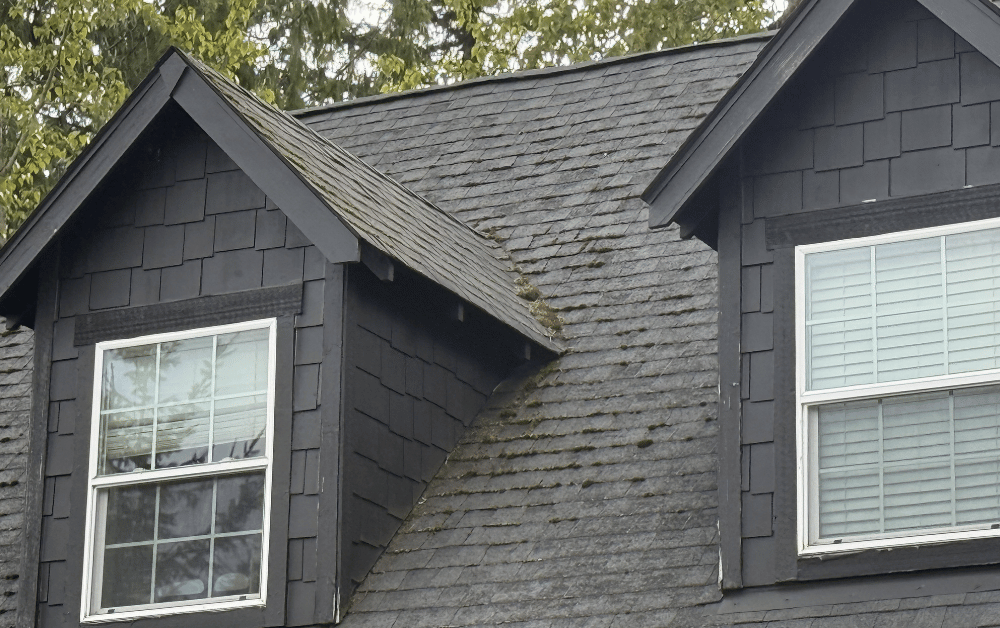
Algae. Shows up as green or black streaks, especially on north-facing siding, shaded concrete, and roofs. Algae thrives on moisture and shade, both of which Hillsboro provides in abundance.
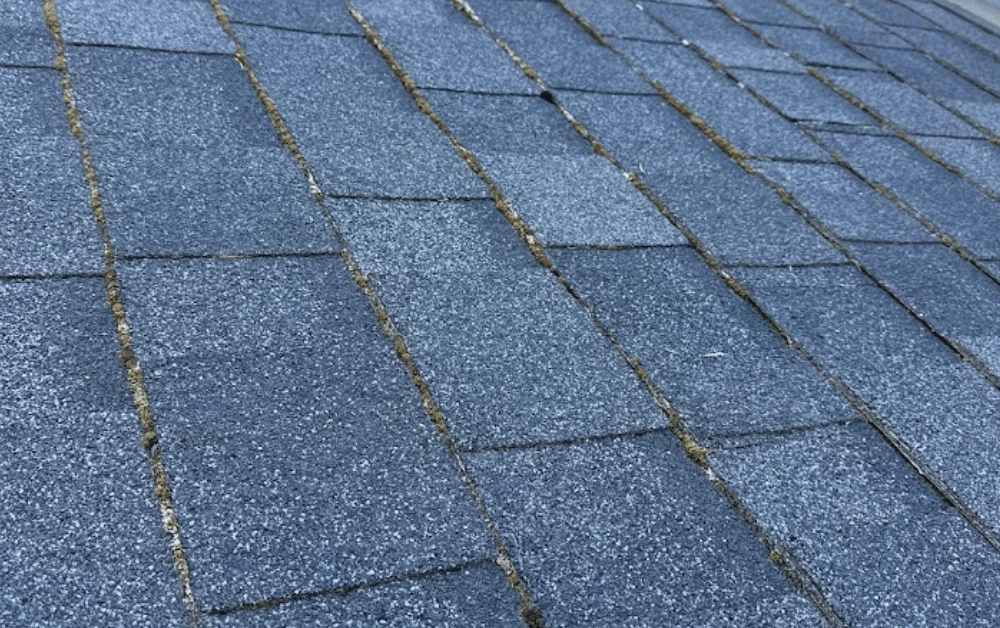
Moss. Soft, three-dimensional green growth on roofs, walkways, paver joints, and fences. Moss holds water against the surface beneath it and gets harder to remove the longer it sits.
Mildew and mold. Show up as dark spots and streaks on siding, painted wood, and shaded hardscape. Often confused with dirt, but they are living organisms that need biological treatment rather than just pressure.
Tannin stains. Leaves, needles, and bark drop onto concrete and pavers and leave brown or rust-colored marks as they break down. These can persist long after the debris is swept away.
Rust and mineral deposits. Often come from sprinkler heads, metal furniture, or downspouts. These respond to specific cleaning chemistry rather than to pressure alone.
Oil and automotive residue. Driveway stains from leaking vehicles, brake dust, and rubber. These are some of the toughest because oil penetrates concrete rather than just sitting on it.
A single driveway often shows three or four of these at once. A house exterior might show all of them depending on conditions. The right cleaning plan addresses the actual mix rather than treating every stain the same.
When Pressure Washing Is the Right Answer
Pressure washing shines on durable hard surfaces with relatively recent buildup. Good candidates include:
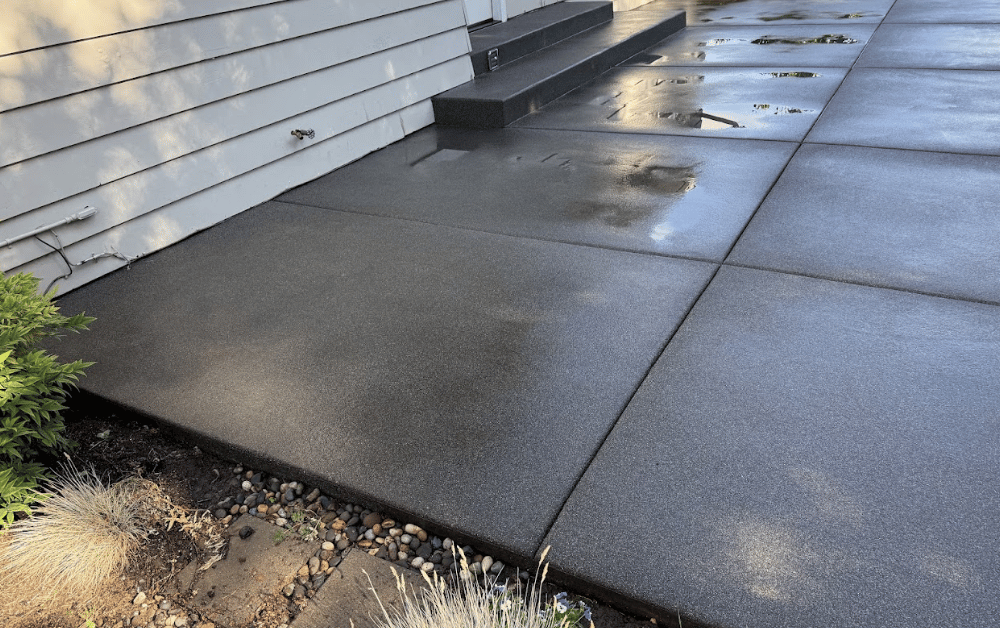
- Plain concrete driveways with mud, tire marks, surface algae, or pollen residue
- Walkways and patios with general grime and moss in joints
- Brick and stone hardscape (with care taken on softer materials)
- Block walls and retaining walls in good condition
- Metal fencing, dumpsters, and commercial flatwork
On these surfaces, pressure paired with a flat surface cleaner attachment delivers even, dramatic results. The water force lifts the buildup, the surface cleaner spreads pressure evenly to avoid striping, and the result is a uniformly clean surface without the wand-track pattern that aggressive operators leave behind.
For thicker or older buildup, a pre-treatment with the right cleaning solution does most of the chemical work, and the pressure rinse just carries it away. This combination is far more effective and gentler on the surface than relying on raw pressure alone.
When Pressure Washing Is the Wrong Answer
This is where many DIY jobs go wrong. Pressure washing is not appropriate for:
Roof shingles. Asphalt shingles lose their granular coating under high pressure, which shortens the roof's life and can void warranties. Soft washing is the correct method, and our article on low-pressure roof washing for asphalt shingles covers why.
Painted or stained siding. High pressure can strip paint, dent fiber cement, force water behind cladding, and leave streaks that telegraph through new paint.
Stucco. Porous and surprisingly delicate. Aggressive pressure can chip the surface and drive water into the wall system. Our guide on soft washing stucco in Hillsboro walks through the right approach.
Wood siding, trim, and decks. Pressure carves grooves into the grain, raises the surface, and leaves a fuzzy texture that takes weeks to recover. Decks especially benefit from low-pressure cleaning followed by re-staining when needed.
Windows and screens. High pressure can break window seals, force water past weatherstripping, and tear screens.
Older brick and soft stone. Original mortar in older homes can erode under aggressive pressure, and some natural stones pit or scar permanently.
Vinyl siding. Can handle moderate pressure but only from the correct angle and distance. Spraying upward forces water behind the panels, where it does not drain.
For all of these, soft washing combines low pressure with cleaning solutions formulated for biological growth. The chemistry kills the algae, mildew, and moss; the gentle rinse carries everything away. Results are dramatic without the damage risk.
How to Read a Stain Before Cleaning
A few quick tests help identify what you are dealing with:
- Green or black streaks running vertically on siding usually mean algae and mildew. These need biological treatment, not just pressure.
- Brown or rust-colored marks under a tree are typically tannin stains. They often need a specific tannin remover.
- A yellow-green film that wipes off but keeps returning is pollen. Light cleaning is enough, but it builds back up seasonally.
- Dark spots that grow are living organisms. Dark spots that stay the same size are usually dirt or staining.
- White, chalky residue on concrete is efflorescence, mineral salts pushed to the surface by moisture. It needs specific treatment rather than pressure alone.
- Rainbow sheen on a wet driveway is oil. Pressure alone will not remove it. Degreasing agents and patience are needed.
A professional can usually identify the mix on a walkthrough and recommend the right approach. If you are unsure, photos help, but in-person evaluation is more reliable.
What Else Matters: Runoff and Plants
Cleaning is not just about the surface being cleaned. It is also about where the water goes afterward. Wash water carries cleaning solutions, biological matter, and dissolved staining into landscaping, storm drains, and waterways.
Best practices for any cleaning job in Hillsboro:
- Pre-wet plants and landscaping near the work area
- Choose biodegradable cleaning solutions where possible
- Avoid letting concentrated wash water enter storm drains
- Rinse foliage after the work is complete
- Time work to avoid the heaviest pollen and bee activity in some seasons
Clean Water Services in Washington County has specific guidance on stormwater runoff from cleaning activities, and reputable professional crews plan for containment as part of their work. DIY cleaning often skips this step, which is one reason store-bought cleaners cause so much plant and storm-drain damage.
When the Stain Outlasts the Cleaning
Sometimes a stain persists even after appropriate cleaning. Common reasons:
- Permanent etching. Aggressive past cleaning, rust, or rebar bleed can leave marks no amount of washing will remove.
- Material absorption. Oil and certain dyes penetrate deep into concrete and may need poultice treatment or surface refinishing.
- Underlying damage. Cracked or pitted concrete holds buildup in places water cannot reach.
- End of useful life. Some surfaces are simply done. A weathered deck, aging shingles, or crumbling stucco may need repair or replacement rather than more cleaning.
A good cleaning service should tell you when you are at this point. Spending money to keep washing a surface that needs replacement is rarely a good investment. Our comparison of professional house washing versus DIY touches on this judgment call from a different angle.
Timing Matters in Hillsboro
When you clean affects what comes off and what stays gone:
- Spring cleaning removes winter's biological growth and prepares surfaces for summer use. Most effective after the heaviest rains pass.
- Late summer cleaning handles pollen buildup and prepares for fall.
- Fall cleaning clears debris and biological growth before the wet season locks them in for months.
- Pre-event cleaning for weddings, real estate showings, or appraisals usually happens regardless of season and benefits from professional timing.
Properties under heavy tree cover often need two cleanings a year. Properties in sunny, exposed locations may only need one.
About Worth It Exterior Cleaning
Worth It Exterior Cleaning is a locally owned company based in Hillsboro, serving homeowners and small commercial property owners across western Washington County. The team works from a simple principle: match the method to the material. Concrete and brick get the pressure they can handle. Siding, stucco, and roofs get the gentler chemistry that actually works on biological growth without causing damage.
Service areas include Hillsboro, Tanasbourne, Orenco, Aloha, Beaverton, Forest Grove, Cornelius, and the surrounding west Portland metro communities.
Contact Information
Worth It Exterior Cleaning 9620 Northeast Tanasbourne Drive Ste 300, Hillsboro, OR 97124
Phone: 503-941-0862
Email: info@worthitexterior.com
Request your free quote or give us a call directly.
Frequently Asked Questions
What is the most common stain on Hillsboro homes? Algae and mildew on siding, especially on north and east-facing walls, plus moss on roofs and in paver joints. These are biological growths that come back as long as moisture and shade are present, which is most of the year here.
Will pressure washing remove pollen from my siding? Pollen comes off easily, but pressure washing siding is rarely the right method. A soft wash treatment removes pollen along with the algae and mildew that pollen tends to feed, and protects the paint and underlying material from damage.
Can old oil stains really come out of concrete? Some can, some cannot. Fresh oil responds well to degreasing agents and pressure. Old, deeply penetrated stains may lighten significantly but not disappear entirely. Concrete is porous and absorbs oil over time, so realistic expectations matter.
Are there stains I should not try to clean myself? Anything that involves climbing, anything on painted or older siding, anything on a roof, and any stain you do not recognize. The wrong cleaner on the wrong stain can set it permanently, and the wrong pressure on the wrong surface can cause damage that costs more than the original problem.
Does the EPA actually regulate driveway cleaning? Federal stormwater guidance from the EPA and local rules from Clean Water Services in Washington County treat wash water as a potential pollutant, especially for commercial properties. Homeowners are less directly regulated but still bear responsibility for runoff that damages neighboring property or storm drains. Professional crews plan for this; DIY usually does not.
Why does my house get streaks again so quickly after washing? Two common reasons. First, the cleaning method may have removed surface dirt without killing the underlying biological growth, which then rebloomed. Second, conditions that caused the original problem (shade, moisture, overhanging trees, gutter overflow) have not changed. Addressing the source extends the life of any cleaning.
Is there a difference between mold and mildew on siding? For practical cleaning purposes, no. Both are biological growths that respond to the same soft-wash treatment. Identifying which one you have specifically matters less than treating it correctly.
How long does a typical cleaning last in Hillsboro? For hardscape, one to three years before noticeable buildup returns. For siding, two to four years depending on exposure and tree cover. For roofs, one to three years between treatments. Properties in sunny, exposed locations fall on the longer end of these ranges; shaded, tree-heavy properties on the shorter end.